Key Takeaways:
Coastal ownership benefits from a documented maintenance and observation routine, not reactive attention only when an issue becomes visible.
The right priority is early detection, clear vendor coordination, and owner visibility around material conditions.
Building procedures, insurance questions, permits, and specialized repairs should be handled with the appropriate authority or qualified professional.
Why Coastal Properties Need a Coordination Plan
Coastal property care is not a promise that maintenance concerns will never occur. It is a system for identifying visible changes, documenting them, coordinating the right response, and keeping the owner informed.
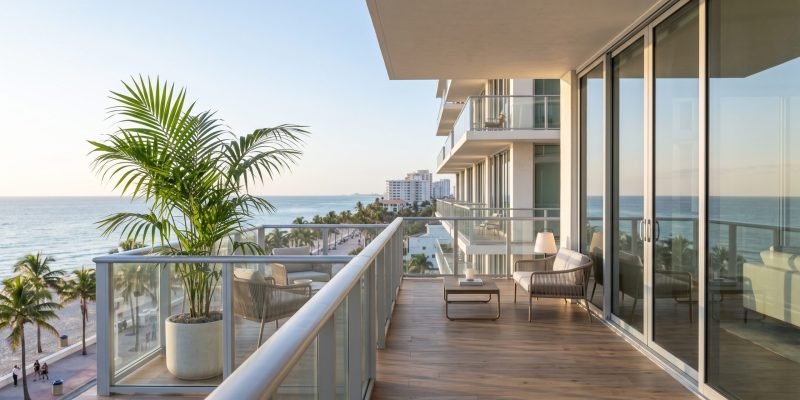
Hollywood Beach owners may need to consider exterior conditions, moisture and humidity, drainage, windows and doors, building access, landscaping, shared systems, or vendor availability. The property’s actual condition and building structure should determine the plan.
Build a Coastal Property Operations File
Keep a secure, current file that includes:
Building, association, emergency, and vendor contacts
Insurance contacts and policy reference information
Current maintenance history, warranties, and service agreements
Access instructions and vendor-entry procedures
Dated condition photos of relevant exterior and interior areas
Utility, appliance, HVAC, plumbing, and shutoff information
Owner authority for routine and emergency coordination
Open items and scheduled property checks
Update it whenever a vendor, access process, building contact, or material property condition changes.
The Coastal Maintenance Coordination Plan
1. Establish a Property-Specific Observation Routine
The right schedule depends on occupancy, the property’s systems, association requirements, and its location. Use the schedule to identify visible concerns early, not to create unnecessary activity.
2. Document Conditions Before They Become Disputes
Use dated photos and short notes for relevant observations: windows, doors, visible plumbing, exterior areas, balconies where applicable, drainage, fixtures, and active maintenance concerns.
Documentation creates context for owners and qualified vendors. It is not a substitute for professional assessment.
3. Coordinate Qualified Vendors With Clear Access
Confirm building procedures, service windows, insurance documentation, parking, loading, elevator use, and access before the appointment. Ask for a clear completion update and retain the record.
4. Separate Routine Work From Material Escalations
Routine service may be handled within agreed authority. Material concerns should be presented with the known condition, photos where useful, response options, and a recommended next step for the owner.
5. Review the Plan Before Extended Absence or Severe Weather
Confirm current contacts, access, vendor authority, association procedures, and owner communication plans in advance. Follow official guidance and consult insurers or qualified professionals for property-specific questions.
Coastal Oversight Checklist
| Area | What to confirm | Why it matters |
|---|---|---|
| Access | Building and vendor entry procedures | Enables timely inspections and authorized work |
| Exterior observations | Visible wear, drainage, doors, windows, and common areas | Supports early escalation of unusual conditions |
| Property systems | HVAC, plumbing, utilities, and service history | Keeps technical work connected to known records |
| Vendor coordination | Scope, timing, access, and completion updates | Creates clear accountability |
| Owner reporting | Condition, completed work, open items, next decision | Maintains visibility without constant involvement |
The goal: Early detection and controlled response, not constant owner monitoring.
Professional Boundaries Matter
Property management can coordinate inspections, access, vendor communication, documentation, and owner reporting. It does not replace engineering, legal, insurance, emergency-management, or licensed technical advice.
For alterations, flood-zone questions, permits, insurance coverage, structural concerns, or building-system work, use the appropriate authority and qualified professional.
When Coastal Coordination Creates Leverage
Local oversight is valuable when owners need a reliable operating presence for property checks, maintenance coordination, access, documentation, and communication. The value is a disciplined response system, especially when the owner is not nearby.
Explore Hollywood Property Management →
Frequently Asked Questions
How often should a coastal investment property be checked?
Frequency depends on occupancy, property systems, building procedures, location, and the owner’s needs. Establish a schedule based on the actual property rather than a generic rule.
Can a property manager coordinate emergency repairs?
Yes, when authority and spending thresholds are established in advance. The management agreement should define the coordination and owner-update process.
Does property management replace insurance or engineering advice?
No. Property management supports coordination and documentation. Insurance, engineering, legal, and specialized technical questions should go to qualified professionals.
Can ACCRIVE manage a coastal property that is not rented?
Yes. Depending on the agreed scope, ACCRIVE can provide property checks, maintenance coordination, vendor access, documentation, and owner reporting.
Ready for Better Local Coastal Oversight?
ACCRIVE helps Hollywood Beach owners create a more organized, visible, and responsive property-care process.
Three ways to start:
ACCRIVE | Full-Service Property Management & Brokerage | Weston, Florida | Licensed Real Estate Brokerage